Collection: Iceland 2025
My first glimpse of Iceland’s Highlands came in August 2011—just a couple of hours on a bus tour, yet enough to leave me longing to return. Thirteen years later, that wish finally became reality during my fourth visit to this extraordinary land.
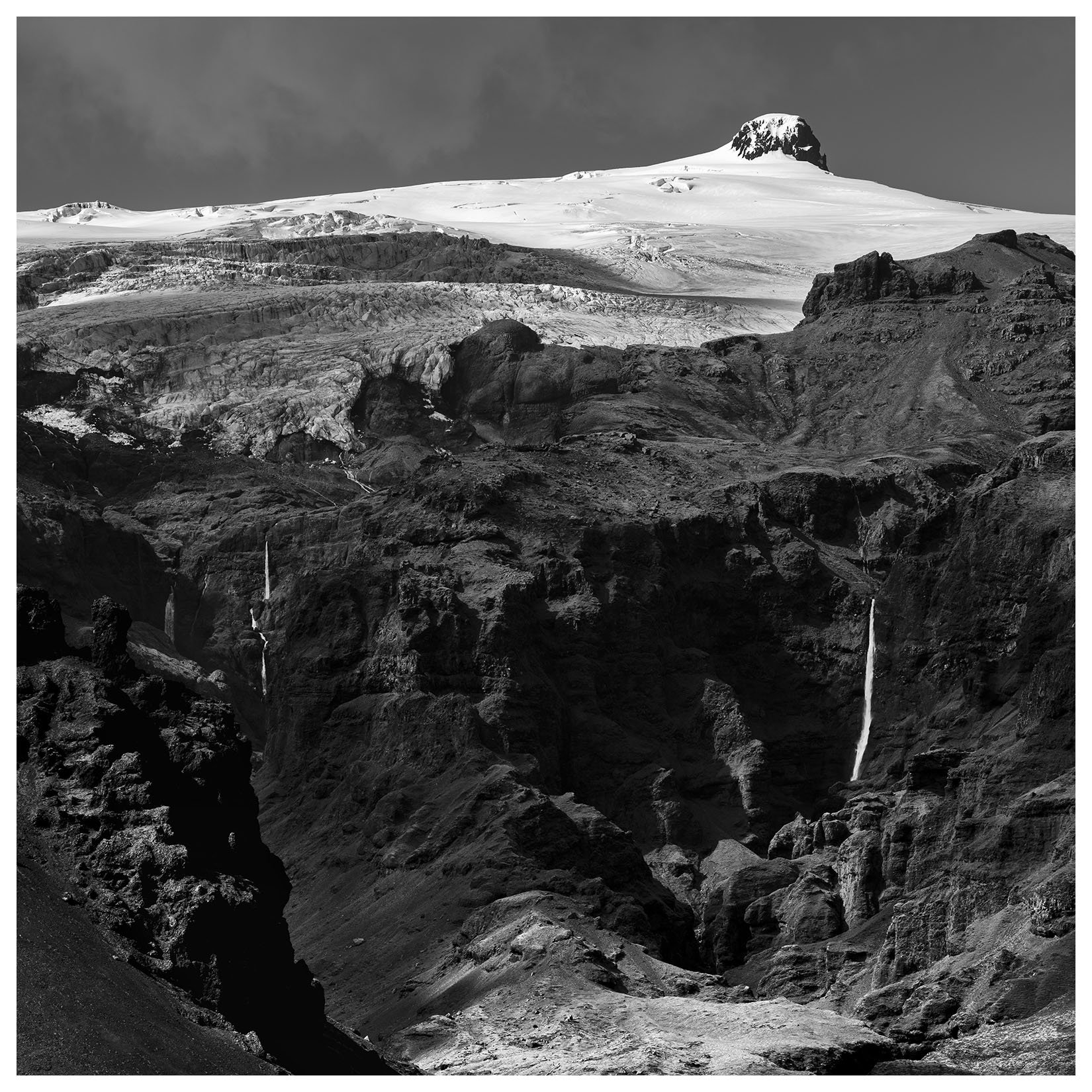
The Central Highlands (Hálendið) dominate Iceland’s interior, a stark volcanic plateau rising 300–400 meters above sea level. Almost entirely uninhabitable, the region is a tapestry of ash-covered ground, basalt mountains, lava fields, and winter snow that lingers into June. By booking early, I secured a three-night stay at the Highland Center in Hrauneyjar, the perfect base for exploring Landmannalaugar—an hour’s drive along the rugged F208 north road.
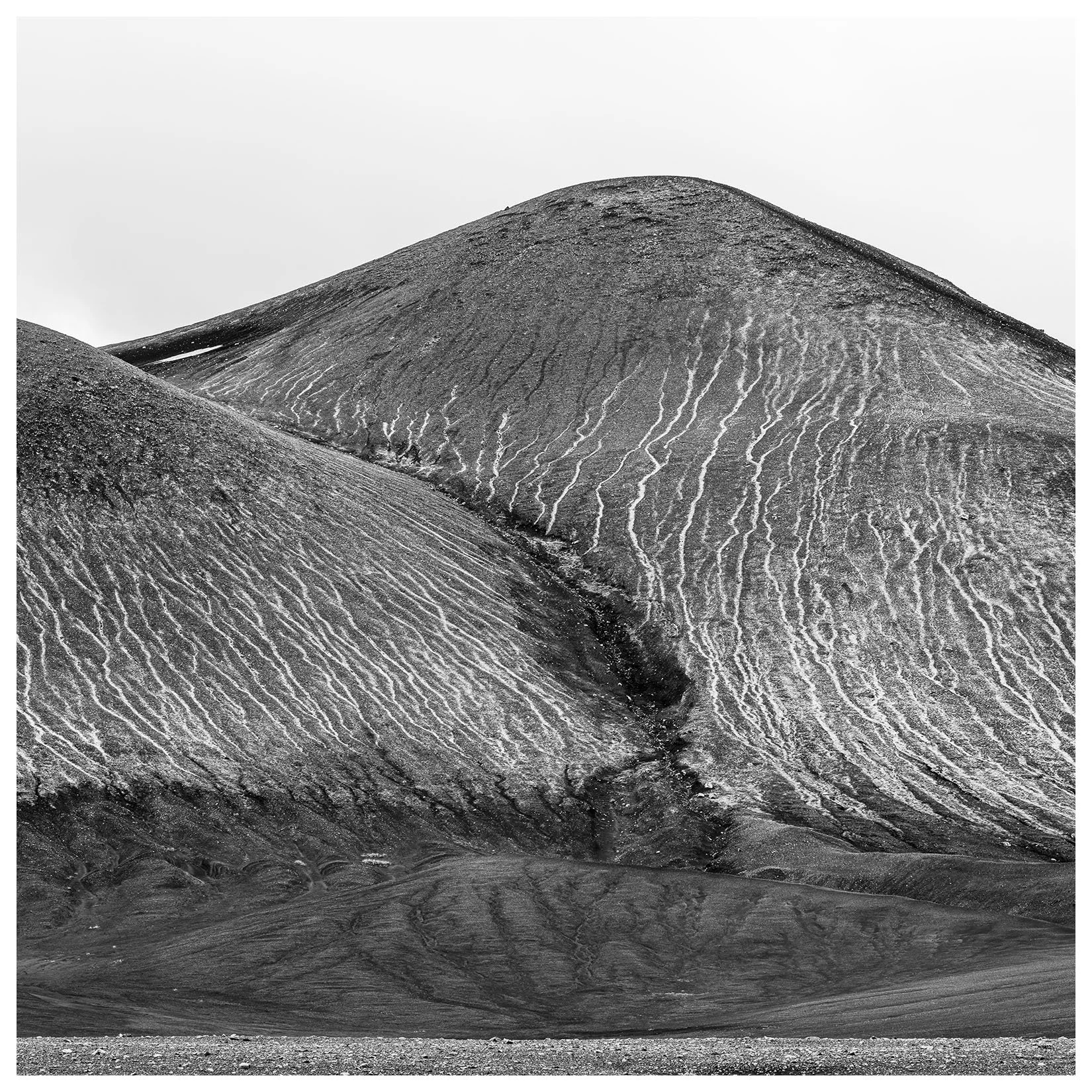
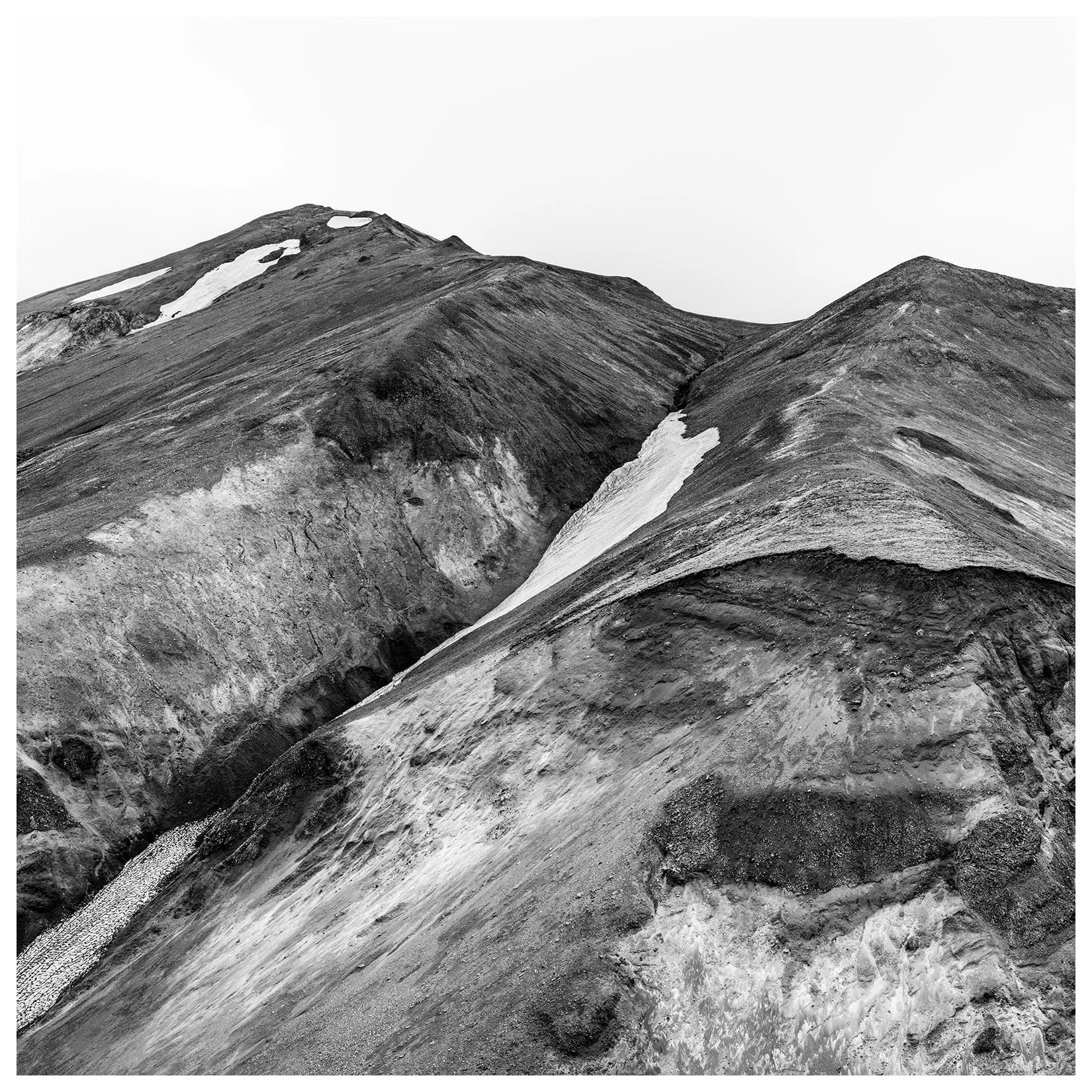
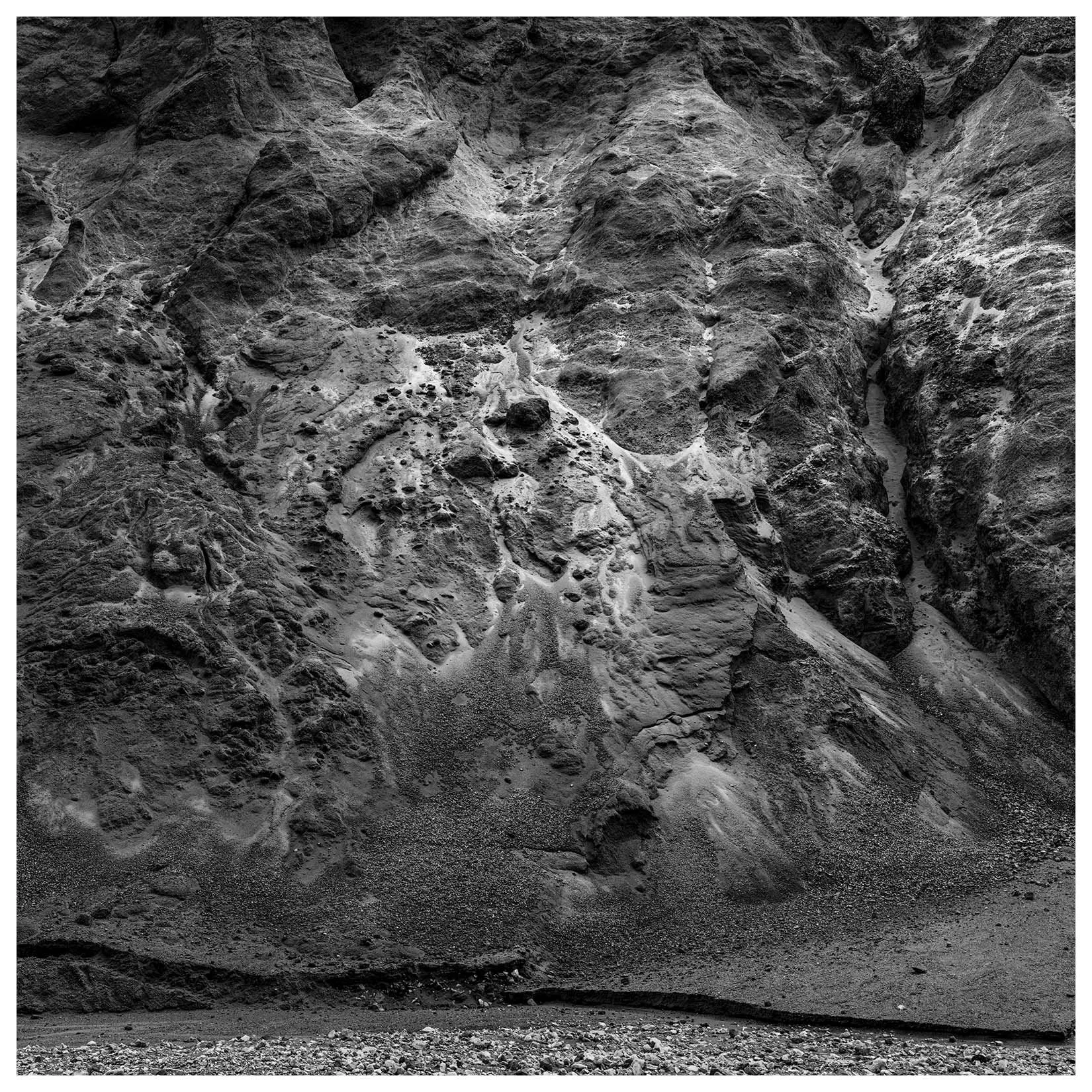
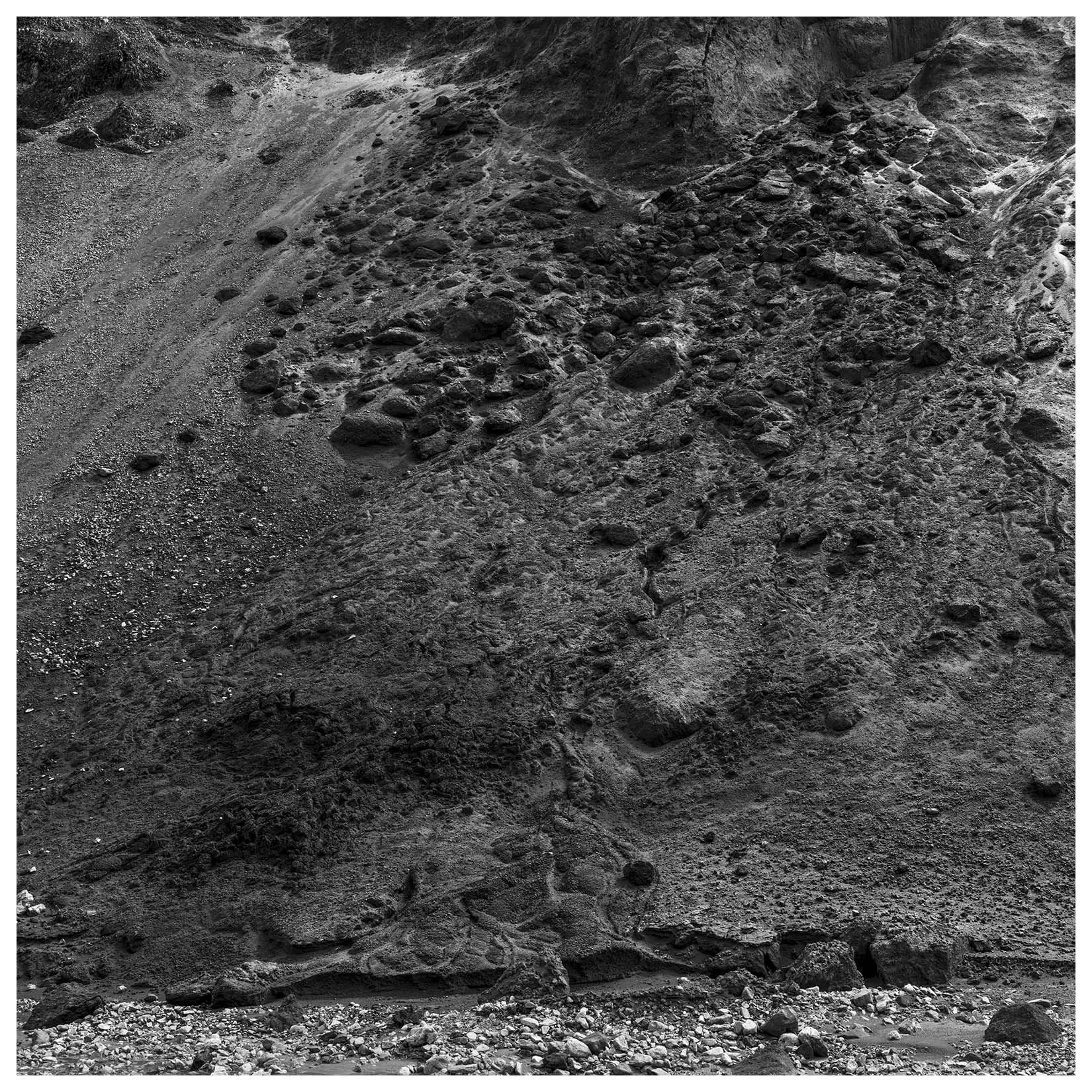
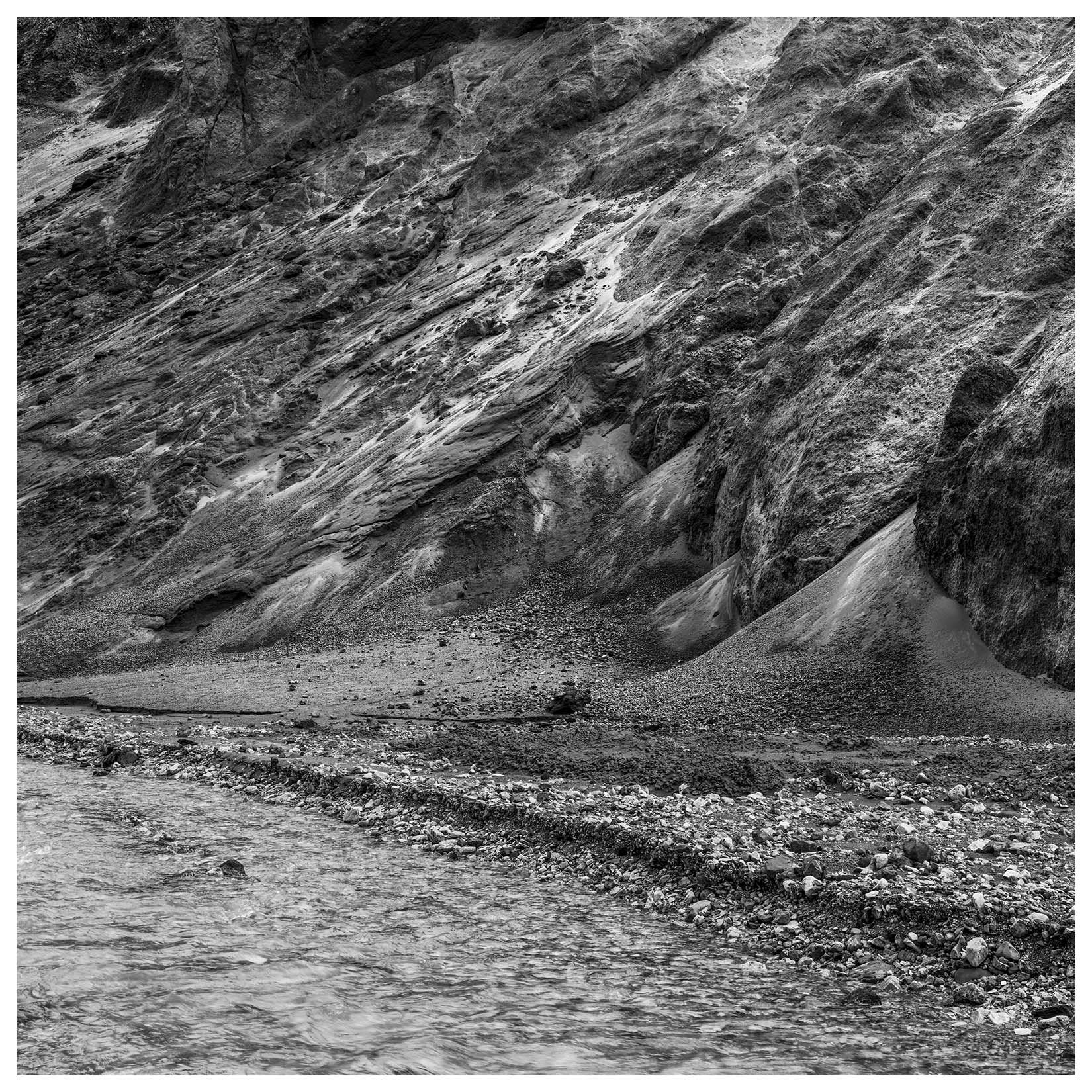
Landmannalaugar’s mountains are rhyolite: volcanic rock painted in surreal shades of green, yellow, red, and blue by mineral deposits. The landscape feels alive—shaped by geothermal forces and anchored by the dark expanse of the Laugahraun lava field, formed during a 1477 eruption.
I also journeyed through the magnificent Snæfellsnes Peninsula, a narrow arm reaching into the North Atlantic. This region is home to the iconic Kirkjufellsfoss waterfall and to Snæfellsjökull National Park, where the 1,446-meter dormant volcano rises directly from the sea. The coastline here is a world of contrasts—lava cliffs, craters, sea stacks, black and gold sands, and colonies of seabirds.
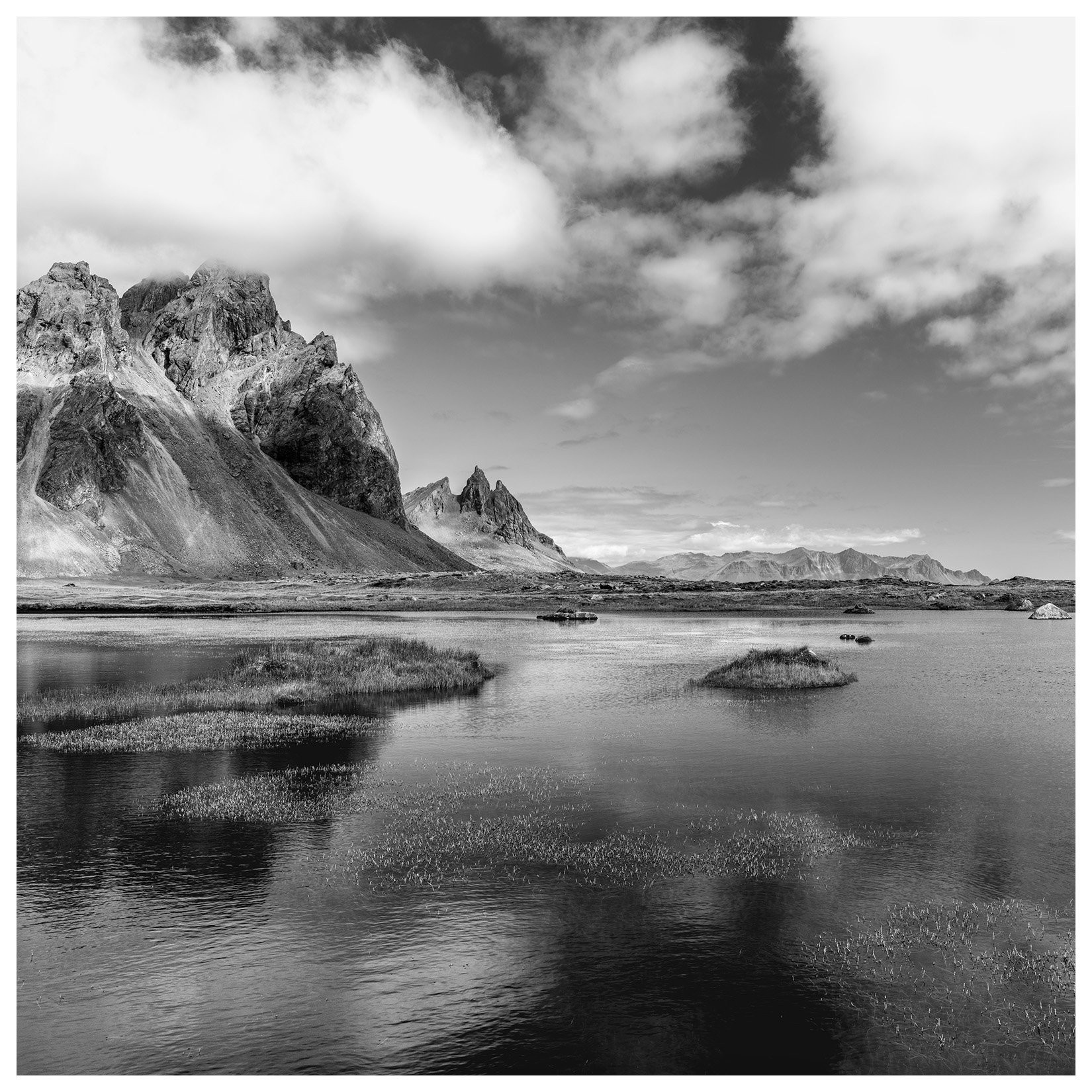
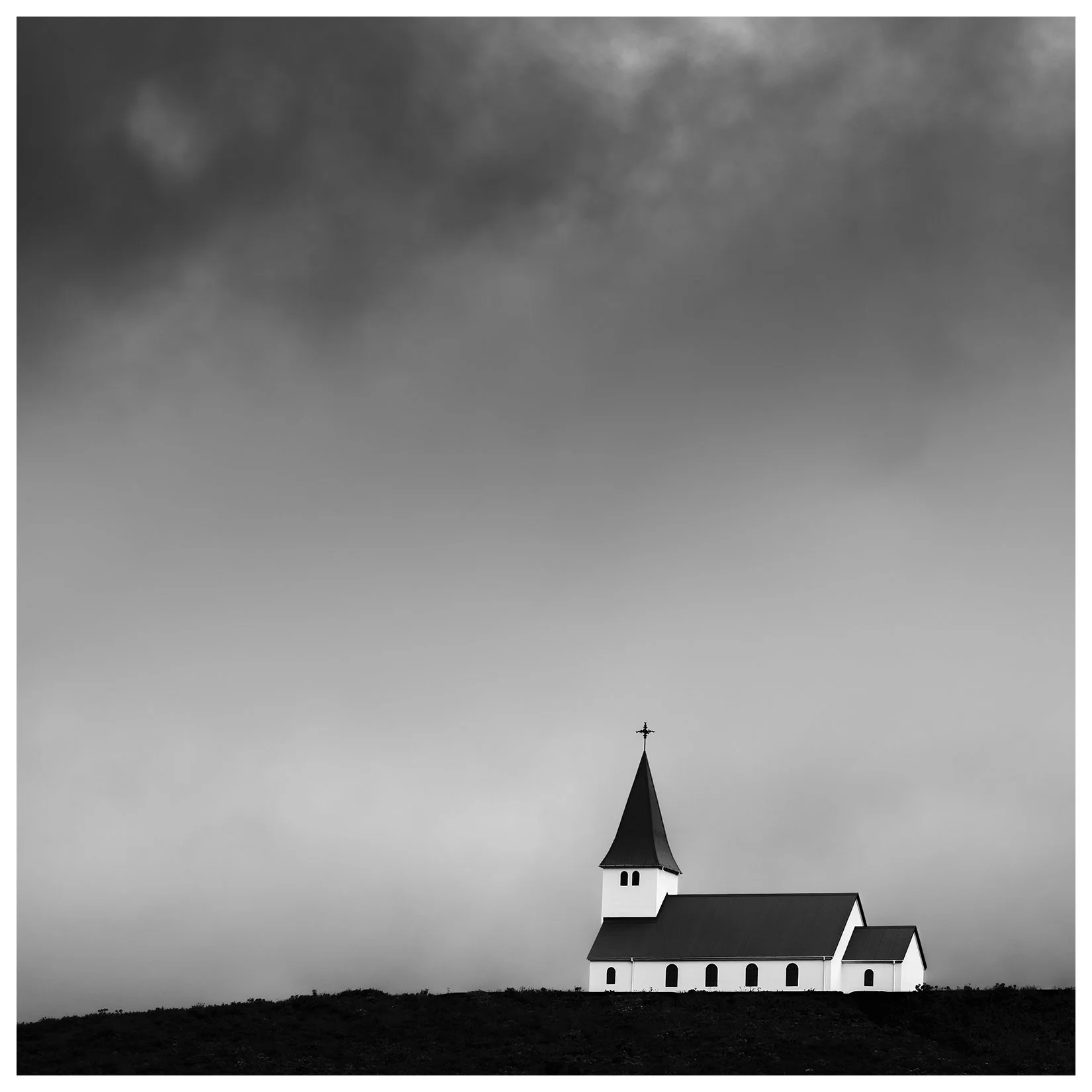
And as always, a trip to Iceland would feel incomplete without stopping by Vík, Höfn, and the shimmering lagoon of Jökulsárlón.